Clinical Manifestations
Acetaminophen toxicity is characterized by a phased clinical presentation:
Stage I (0-24 hours)
- Patients are typically asymptomatic or may experience non-specific symptoms such as nausea, vomiting, and malaise.
- Liver function tests (LFTs) are generally within normal limits.
Stage II (24-72 hours)
- This phase is marked by the onset of hepatotoxicity.
- Clinical signs may include right upper quadrant abdominal pain.
- Laboratory abnormalities emerge, including elevated serum aspartate aminotransferase (AST), alanine aminotransferase (ALT), and prolonged prothrombin time (PT) and international normalized ratio (INR).
- In severe cases, evidence of nephrotoxicity (elevated BUN, creatinine, oliguria) or pancreatitis (elevated serum amylase and lipase) may be present.
Stage III (72-96 hours)
- This represents the peak of hepatotoxicity and is characterized by overt signs of liver failure, including jaundice, coagulopathy, and encephalopathy.
- Severe cases may progress to acute renal failure, metabolic acidosis, and multi-organ failure.
- The highest risk of mortality occurs during this stage.
Stage IV (4 days to 2 weeks)
- In survivors, this is the recovery phase.
- Hepatic regeneration begins and typically completes within a few weeks.
Differential Diagnosis
The differential diagnosis for APAP-induced hepatotoxicity is broad and includes toxicologic and non-toxicologic etiologies.
- Toxicologic: Carbon tetrachloride, hepatotoxic mushrooms (e.g., Amanita phalloides), halothane, idiosyncratic drug reactions, pennyroyal oil, and iron poisoning.
- Non-Toxicologic: Viral hepatitis (A, B, C, Epstein-Barr virus, cytomegalovirus), inborn errors of metabolism, hepatobiliary disease, and Reye syndrome.
Investigations
Routine Laboratory Studies:
- Serum glucose, electrolytes, AST, ALT, PT, bilirubin, albumin, blood urea nitrogen (BUN), and creatinine.
- Arterial Blood Gas (ABG)
- Electrocardiogram (ECG)
- Salicylate level
- Pregnancy test for all women of childbearing age.
- A baseline AST can be used to screen for pre-existing hepatic disease.
- Serial monitoring of ALT and INR every 12 hours is recommended for any patient with initial ALT elevation.
- Significant elevation of ALT, AST, bilirubin, and alkaline phosphatase, along with prolonged PT/INR, indicates the degree of liver injury.
Specific Investigations
Serum Acetaminophen Level:
- A serum APAP concentration should be obtained at 4 hours post-ingestion. This value is applied to the Rumack-Matthew nomogram to guide treatment decisions.
Nomogram Application:
- The nomogram is used for acute, single ingestions of immediate-release preparations.
- Its use is contraindicated in cases of chronic ingestion, sustained-release formulations, or in patients with risk factors for hepatotoxicity (e.g., chronic alcohol use).
- In these cases, the risk of hepatotoxicity is higher, and the treatment line would be significantly lower.
Admission and Treatment
Admission Criteria:
- Patients requiring N-acetylcysteine (NAC) therapy should generally be admitted.
- Select patients with early presentation and no evidence of liver injury may be managed in an emergency department observation unit.
- Patients with acute liver failure require admission to an intensive care unit (ICU) and may necessitate transfer to a facility with liver transplantation capabilities.
Stabilization:
- Airway, breathing, and circulation (ABC) must be evaluated and stabilized, particularly in patients presenting in Stage II or III.
Decontamination:
- Activated charcoal (1 g/kg, max 50 g) is recommended within 1 hour of ingestion.
- Its use may be extended up to 4 hours post-ingestion, especially for sustained-release formulations.
Antidote: N-Acetylcysteine (NAC):
- Early administration of NAC is paramount for preventing hepatotoxicity.
Indications for NAC Therapy:
- Serum APAP concentration on or above the "treatment" line of the nomogram at 4 hours or more post-ingestion.
- Suspected single ingestion of >150 mg/kg or a total dose of >7.5 g in an adult, when serum APAP levels will not be available within 8 hours.
- Unknown time of ingestion with a serum APAP concentration >10 µg/mL (66 µmol/L).
- Any history of APAP ingestion with evidence of liver injury (e.g., elevated transaminases).
- Delayed presentation (>24 hours) with a history of excessive APAP ingestion and laboratory evidence of liver injury.
Dosage and Administration:
IV NAC:
- The preferred route for patients with vomiting, pregnancy, contraindications to oral administration (e.g., ileus, obstruction), or evidence of hepatic failure.
20-Hour Protocol:
- Loading dose: 150 mg/kg infused over 1 hour.
- Second infusion: 50 mg/kg over the next 4 hours.
- Third infusion: 100 mg/kg over the final 16 hours.
48-Hour Protocol:
- A more prolonged regimen (140 mg/kg loading, followed by 12 doses of 70 mg/kg over 4 hours each) may be superior when treatment is initiated 16-24 hours post-ingestion.
Adverse Reactions:
- Anaphylactoid reactions (bronchospasm, hypotension, urticaria) can occur and are managed with epinephrine and corticosteroids.
Oral NAC:
- Loading dose of 140 mg/kg, followed by 17 doses of 70 mg/kg every 4 hours.
NAC in Pregnancy:
- NAC crosses the placenta and should be administered to a pregnant woman with the same indications as non-pregnant patients.
- A newborn to a mother with APAP toxicity should receive a 48-hour course of IV NAC.
Extracorporeal Treatment (ECTR) - Hemodialysis
Indications:
- ECTR effectively removes APAP and is recommended in specific scenarios:
- APAP concentration >1000 µg/mL (>6620 µmol/L) without NAC administration.
- Altered mental status, metabolic acidosis, and an elevated lactate with APAP >700 µg/mL (>4630 µmol/L) and no NAC.
- Altered mental status, metabolic acidosis, and an elevated lactate with APAP >900 µg/mL (>5960 µmol/L) even if NAC has been initiated.
Management:
- Intermittent hemodialysis is the preferred modality.
- NAC therapy should be continued at an increased rate during ECTR.
Supportive Care
- Antiemetics (e.g., metoclopramide, ondansetron).
- Monitoring and treatment of hypoglycemia.
- Vitamin K may be administered to correct coagulopathy.
Liver Transplantation
King's College Hospital Criteria for Transplantation:
- Arterial pH <7.3, or arterial lactate >3.0 mmol/L after adequate fluid resuscitation.
- OR if all three of the following occur within a 24-hour period:
- Serum creatinine >300 µmol/L.
- PT >100 seconds (INR >6.5).
- Grade III/IV hepatic encephalopathy.
Chronic Acetaminophen Toxicity
Definition
- Supratherapeutic dosing for an extended period.
- Children <6 years: >200 mg/kg over 8-24 hours; >150 mg/kg/day for >2 days; or >100 mg/kg/day for >3 days.
- Patients >6 years: >10 g or >200 mg/kg (whichever is less) over 24 hours; or >6 g or >150 mg/kg (whichever is less) per day for >2 days.
Treatment
- Indications for NAC in chronic toxicity include:
- Elevated AST or ALT (monitor for 36 hours after the last dose).
- APAP level >10 µg/mL.
- Symptomatic patients with normal transaminases.
-
Note: Serum APAP concentration does not reliably correlate with toxicity in chronic ingestions. Diagnosis is primarily based on history and evidence of liver injury.
Discharge Criteria & Patient Education
Discharge Criteria
From the Emergency Department
- Certainty regarding the time of ingestion.
- Serum APAP level below the toxic threshold.
- Completion of a psychiatric evaluation.
From the Hospital
- After a full course of NAC.
- Normal or improving liver and renal function tests.
- Psychiatric evaluation completed if indicated.
Patient Education
- Patients should be educated on the potential dangers of over-the-counter medications.
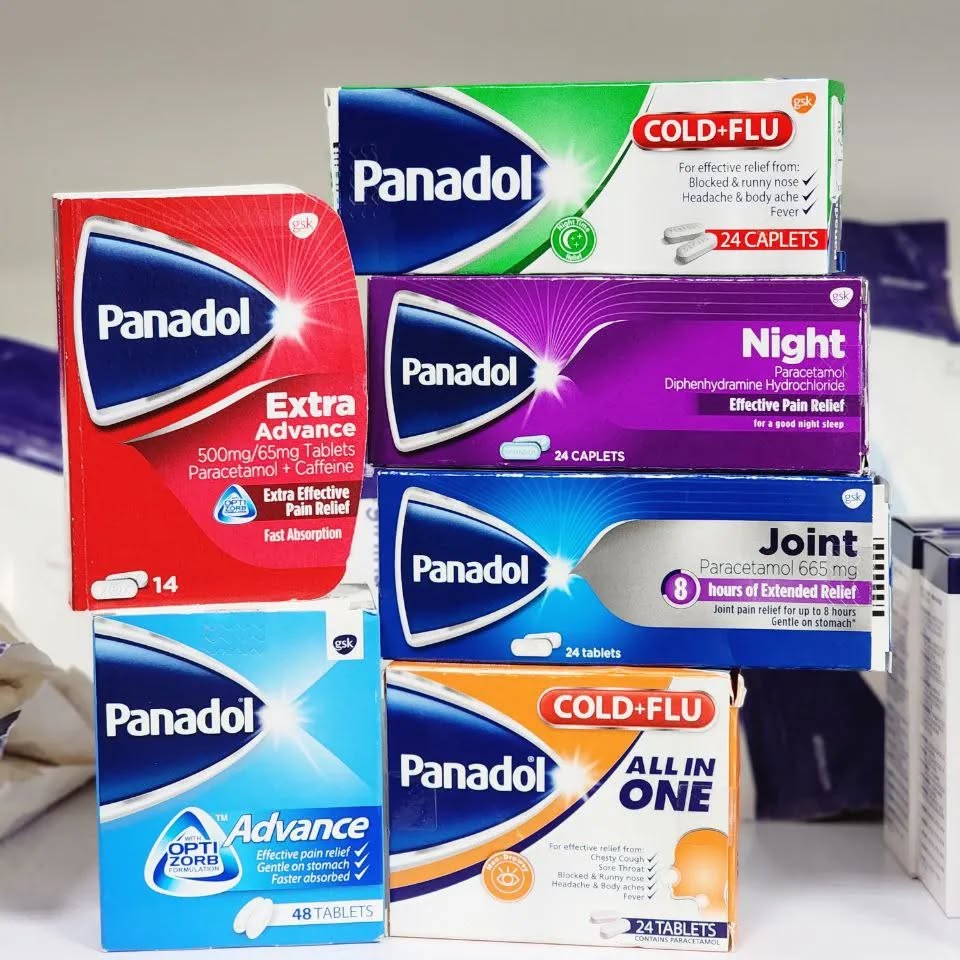
- Warn patients against the simultaneous use of multiple APAP-containing products.
- Highlight the risk of toxicity from inappropriate formulation substitution.
Common Pitfalls
- Evaluation: Failure to determine the accurate time of ingestion, or to account for the impact of sustained-release formulations or anticholinergic medications on the accuracy of the 4-hour APAP concentration.
- Treatment: Failure to decontaminate patients within the appropriate timeframe. Prematurely discontinuing NAC therapy in patients with elevated transaminases or detectable APAP concentrations.