Introduction
The classic presentation of β-blocker overdose includes bradycardia, hypotension, hypoglycemia, altered mental status, and seizures. This article outlines the management protocols for β-blocker toxicity based on patient stability and clinical manifestations.
Examples :
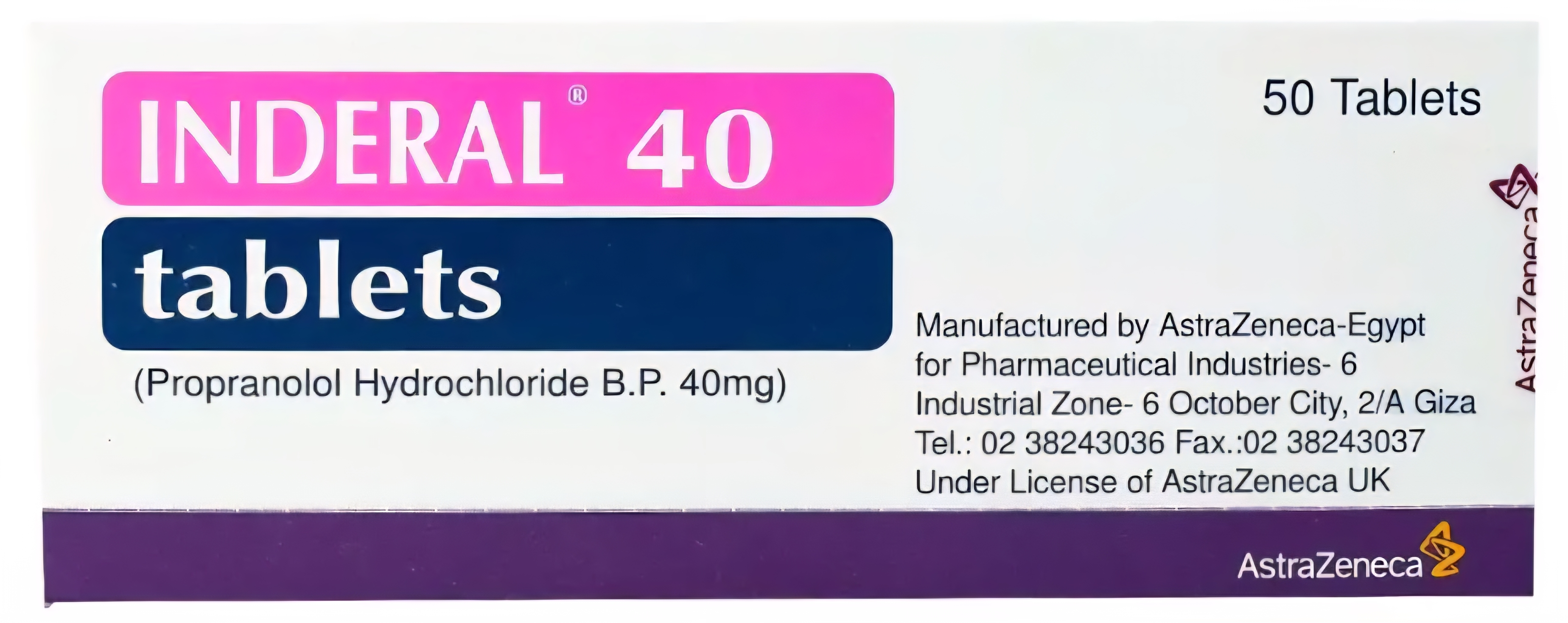
- Propranolol
- Atenolol
- Metoprolol
- Bisoprolol
- Carvedilol
- Nebivolol
- Labetalol
Initial Assessment
The first step is to assess the patient's condition in the ER, categorizing them as either unstable or stable.
Unstable: For unstable patients, initiate ABCD (Airway, Breathing, Circulation, Disability) protocols. If bradycardia is present, pretreat with atropine before if needed.
Stable: For stable patients, monitor for symptoms. If asymptomatic, proceed with observation.
Decontamination and Investigations
Decontamination: Gastric lavage for large ingestions or symptomatic patients with atropine before if bradycardia. Activated charcoal for all patients (1gm/kg) Activated charcoal /6 hrs in symptomatic pt with sustained release preparation.
Investigations: RBS, ABG, liver & kidney profile, CBC, ECG, Cardiac Enzymes, Chest X-ray.
Admission and Monitoring
Admit to ICU.
- Monitor: BP, HR, RR, BS, level of consciousness /2 hrs
- ABG, ECG / 6 hrs
- Cardiac Enzymes, Liver & Kidney profile /24hrs
Management Based on Manifestations
Hypotension or Bradycardia
- Fluids: (10-20 ml/kg/IV) bolus up to 3 times.
- Atropine: 0.5 to 1 mg (0.02 mg/kg in children) IV every 2 to 3 min. To a maximum dose of 3 mg.
- If no response to atropine within 15 minutes add Glucagonel IV bolus 3-5 mg given slowly over 1-2 min (children: 50 μg/kg). If hypotension not respond to initial dose after 15 min, higher doses up to a total of 10 mg may be used.
- Once hypotension improved, infusion on response dose (h), up to 10 mg/h is started.
- Infusion of glucagon at 10 mg/h with other therapies, even if response.
Resistant Hypotension and Shock
Fluids + atropine + glucagon, in addition to:
- Calcium gluconate: 30-60 mL of 10% followed by either repeat bolus every 15-20 min to 4 doses or infusion of 0.6-1.2 ml/kg/h of 10% calcium gluconate. Monitor calcium and PO₂, serum levels.
- High-dose insulin euglycemia (box 1), (mainly for shock)
- Epinephrine: infuse 2 mcg/min, gradually titrating to 10 mcg/min as needed, to desired response. Usual rate: 1-4 mcg/min (mainly for shock)
- In cardiadol & neblit use norepinpherin
- Transvenous pacing for complete heart block, Intra-aortic balloon Pump for resistant shock, cardiopulmonary bypass should be considered if pharmacotherapy is ineffective
- IV Fat Emulsion (as in box 2).
Discharge Criteria
- Discharge to ward: Normal ECG, Fully conscious, No hypoglycemia, Normal vital signs.
- Discharge: After meeting discharge criteria.
Box1: Insulin + glucose
Bolus insulin 1U/kg + 0.5-1 gm/kg bolus dextrose, IF patient blood glucose > 400 mg/dL, no need for glucose bolus. IF NO RESPONSE after 30 min, give insulin infusion 0 Su/kg/h- up to 2u/kg/hr + 0.5 gm/kg/hr dextrose, to keep patient euglycemic. Monitor blood glucose every 30 min, in the first 4 hours.
Box2: IV Fat Emulsion
For lipid-soluble (inderal & carvidalol)
- Bolus: 1.5 ml/kg of 20% IFE followed by an infusion of 0.25 ml/kg/min. The bolus can be repeated in 3 to 5 minutes if necessary. The total dose should be less than 8 ml/kg.
- Hypertonic NaHCO₃, inderal with wide QRS, ventricular dysrhythmia, or severe hypotension.
Conclusion
Effective management of β-blocker overdose requires rapid assessment and tailored interventions based on the patient's condition. Always monitor vital signs and ECG closely to ensure optimal outcomes.