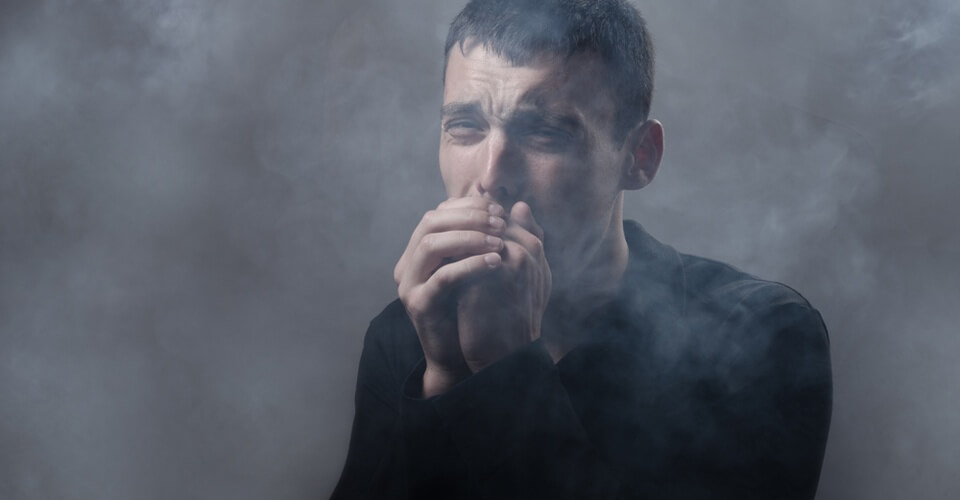
Intoxication by Inhalation: Clinical Overview
1. Introduction
Many cases of intoxication result from inhaling fumes or vapors of toxic liquids. This route is characterized by rapid systemic absorption through the alveolar-capillary membrane, leading to a quick onset of toxicity.
2. Admission & Observation Criteria
Patients with persistent symptoms 6 hours post-exposure require admission for at least 24 hours.
Observe even if initially asymptomatic:
- High-concentration exposure in enclosed spaces.
- Underlying respiratory or cardiovascular disease.
- Pediatric patients.
*Request pulmonary consultation for most admissions.
3. Initial Management (ABCDE)
| Airway | Assess for stridor, hoarseness, or swelling. Early intubation if compromise is imminent. |
| Breathing | 100% Oxygen via non-rebreather mask. Use nebulized bronchodilators for bronchospasm. |
| Circulation | IV access; fluids (caution: avoid exacerbating pulmonary edema). |
| Disability | GCS/Pupils. Altered mentation may suggest severe hypoxia, CO, or cyanide toxicity. |
| Exposure | Remove contaminated clothing. Copious irrigation for eyes/skin. Prevent hypothermia. |
4. Investigations
ABG: Assess PaO2, PaCO2, and pH.
COHb: If CO poisoning is suspected.
Lactate: Marker for tissue hypoxia (Cyanide).
Chest X-ray: Monitor for ARDS/Edema.
Methemoglobin: If cyanosis is unresponsive to O2.
ECG/CBC/Renal: Monitor systemic impact.
5. Specific Gas Management
A. Carbon Monoxide (CO)
Treatment: 100% O2. Consider Hyperbaric Oxygen (HBO) if COHb >25% (>15% in pregnancy) or neuro-cardiac symptoms.
B. Cyanide
Treatment: Hydroxocobalamin (5g IV) or Sodium Thiosulfate (12.5g IV).
C. Irritant Gases (Chlorine, Ammonia)
Treatment: Humidified O2, bronchodilators. Monitor for delayed pulmonary edema (up to 24h).
D. Methemoglobin Inducers
Treatment: Methylene blue (1–2 mg/kg IV) if symptomatic or level >20%.
6. Consultations Checklist
Toxicologist
Pulmonologist
HBO Specialist
Burn Center