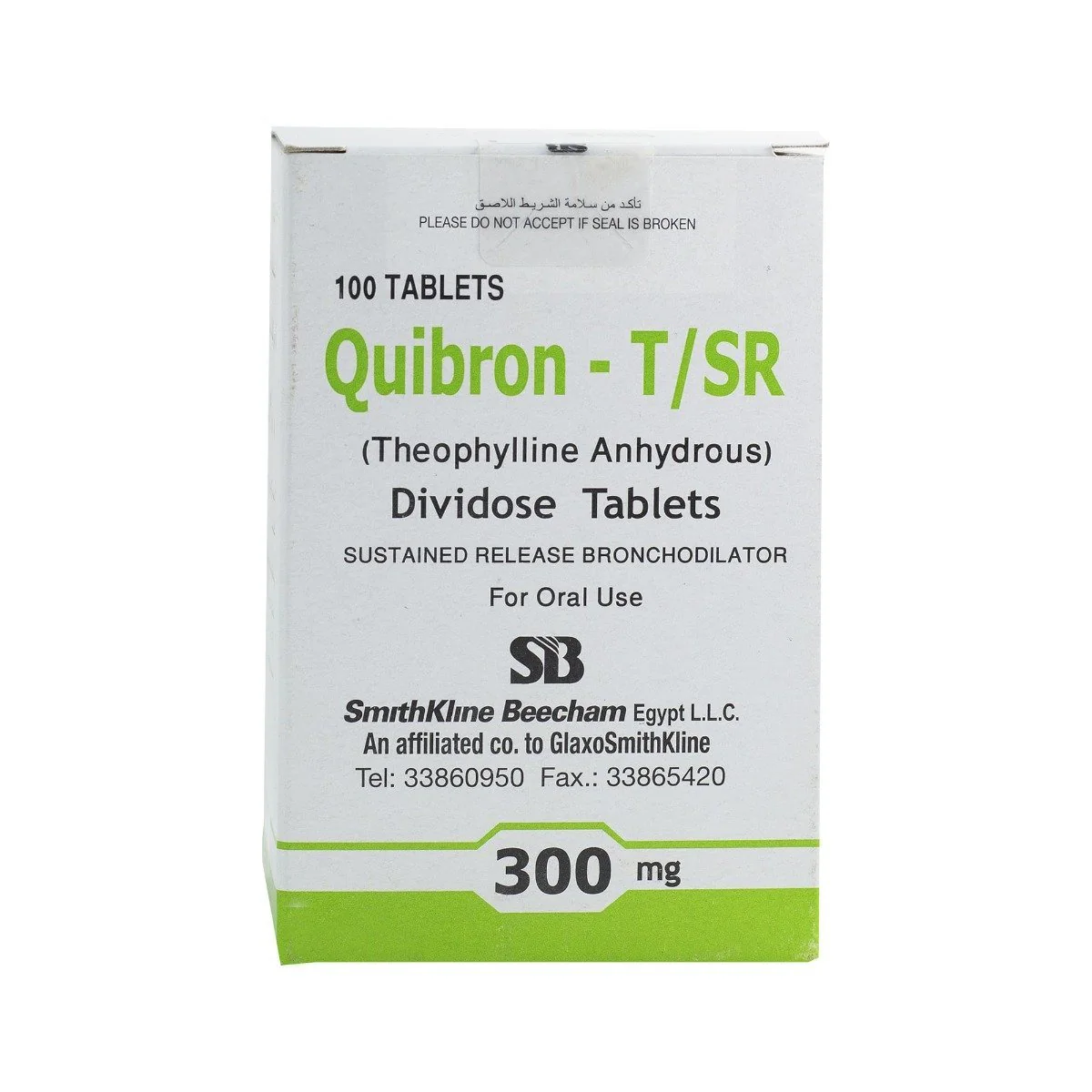
Theophylline Toxicity Management Protocol
Decontamination
- Gastric Lavage:
- If < 1 hour in regular formulation.
- Up to 6 hours in slow released formulation.
- No gastric lavage in chronic toxicity.
- Activated Charcoal:
- 1gm/kg, then Multiple dose Activated charcoal 0.5-1 gm/kg every 4 hours.
- (Text note: ?for 24 hours for acute and chronic toxicity).
Stable (Asymptomatic)
Action:
- History & Examination.
- In patient & Observe for 12 hours.
- Check Theophylline blood level.
Outcome:
No clinical manifestations + Zero theophylline blood level
→ Discharge.
No clinical manifestations + Zero theophylline blood level
→ Discharge.
Unstable (Symptomatic)
Action: ABCD → Admit to ICU.
Investigations:
- Theophylline blood level, ABG, electrolytes (K+), glucose, KFT, ECG + Routine investigations.
- CK, urine analysis (Myoglobinurea) if there is CNS stimulation or hyperthermia.
Appearance of clinical manifestations / Blood Levels:
- Chronic: > 20 ug/ml
- Acute: > 40 ug/ml
Goal: Observe & treat Clinical manifestations.
Vomiting
- Give antiemetics.
- The preferred antiemetic is ondansetron (high therapeutic doses may be needed).
- Metoclopramide may be used also.
- Avoid (Phenothiazine antiemetics).
- If hematemesis give (H2) blockers or proton pump inhibitors.
Hypotension
- Give isotonic IV fluid, 0.9% NaCl or lactated Ringer solution, in bolus volumes of 20 mL/kg.
- If refractory hypotension use β-adrenergic antagonist (propranolol, esmolol, and metoprolol).
- Use a β-adrenergic antagonist with a brief duration of action, such as esmolol, at least initially.
Treatment of SVT
- The primary treatment for methylxanthine-induced SVT is benzodiazepines, to decrease CNS stimulation and concomitant release of catecholamines.
- Administration of Calcium channel blocker such as diltiazem or verapamil.
- Beta-blockers may be used in patients without asthma.
Convulsions
- Seizures are difficult to treat, but diazepam and barbiturates are the most effective.
- Hemodialysis indicated in refractory cases.
- Avoid phenytoin.
Electrolyte Imbalance
Hypokalemia & hypomagnesemia, hypophosphatemia, hypocalcemia:
- Potassium supplementation is unnecessary and poorly effective.
- May be treated with potassium supplementation, according to ECG changes & clinical manifestations.
Hyperglycemia
- Hyperglycemia does not necessitate treatment, because it is a transient effect and rebound hypoglycemia may occur.
Other (Agitation, Rhabdomyolysis)
- Agitation: give benzodiazepines (lorazepam) & treat other manifestations.
- Rhabdomyolysis: IV fluid & sodium bicarbonate.
Hemodialysis Indications
Hemodialysis if:
- In severe cases not responding to treatment (status epilepticus , dysrhythmias).
- If the serum level > 80-100 ug/ml in acute toxicity.
- If the serum level > 60 ug/ml in chronic toxicity.
Discharge Criteria (Symptomatic Patients)
- Admit to in patient.
- Observe for another 4 hours then do another theophylline blood sample.
- Discharge when:
- Patient is free of clinical manifestations.
- With decreasing theophylline blood < 10ug/ml.
Avoid / Contraindications
- Cimetidine: as it inhibits CYP enzymes, delaying theophylline clearance.
- Phenothiazine antiemetics: are contraindicated because may lower the seizure threshold.
- Phenytoin: as in treating theophylline-induced convulsions.