Digitalis Toxicity Protocol
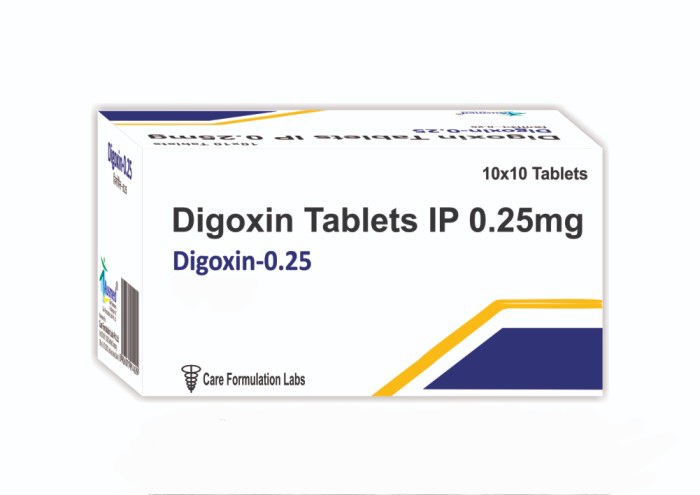
Digitalis (digoxin) has a narrow therapeutic window
Digitalis (Digoxin) toxic dose:
-
💊 Adults:
Toxicity may occur at doses > 2 mg (acute) or with serum digoxin levels > 2.0 ng/mL.
However, toxicity can occur even at lower levels in patients with:- Renal impairment
- Hypokalemia / Hypomagnesemia / Hypercalcemia
- Hypothyroidism
- Advanced age
-
🧒 Children:
Toxic dose ≈ > 0.1 mg/kg (100 µg/kg). -
⚠️ Lethal dose:
- Adults: around 10 mg or more.
- Children: > 4 mg can be fatal.
Decontamination
- GL within 1 h of poisoning with atropine pre-treatment. If patient presented with vomiting no need for lavage
- NO Lavage in chronic toxicity without overdose
- Activated charcoal administration (1 g/kg of body weight every 2–4 hours for up to 4 doses and 1 dose in chronic)
* ABCD & supportive therapy (See later)
ICU Admission & Investigations
Investigations: digitalis blood level, serum K+ level, electrolytes, glucose, KFT, CBC, ABG, LFT, ECG.
Observation & MONITORING for vital signs & Digitalis blood level after 6 h.
Discharge Criteria
- Zero Digitalis level
- Normal K+ level
- No manifestations for 24 hrs
Indication of Fab Therapy
- Life threatening dysrhythmias (VT, VF, or atropine resistant symptomatic sinus bradycardia, or 2nd or 3rd degree HB)
- K > 5 mEq/L
- SDC ≥ 15 ng/mL at any time or ≥ 10 ng/mL 6h post-ingestion
- Acute ingestion of 10 mg of digoxin in adult or 4 mg in child
No. of vials = SDC (ng/mL) × Pt. weight (kg) / 100
Empiric therapy for acute poisoning: 10–20 vials
Empiric therapy for chronic poisoning: Adults: 3–6 vials, Children: 1–2 vials
Cardiac Manifestations
The first sign is PVCs, prolonged PR interval.
Bradyarrhythmias: sinus bradycardia, SA arrest, 2nd or 3rd AVB, asystole.
Tachyarrhythmias: PAT with AV block, accelerated junctional tachycardia, ventricular bigeminy, VT, bidirectional VT, VF.
May lead to hypotension, shock, cardiovascular collapse.
Management
Supraventricular arrhythmias: phenytoin.
Bradyarrhythmias: Atropine (see later), Temporary transvenous pacemaker, Transthoracic pacing if unresponsive to atropine and no Fab available.
Ventricular arrhythmias: Phenytoin or Lidocaine, Magnesium sulfate, cardioversion, defibrillation for unstable VT/VF if no Fab. If no response → give Fab.
Supportive Therapy
- Atropine: 0.5 mg IV (0.02 mg/kg in child, min 0.1 mg). Repeat every 5 min if needed. Max 3 mg.
- Phenytoin: 100 mg/5 min IV (1.5 mg/kg in children), up to 1 g (adult) or 15 mg/kg (child). Continue PO maintenance 300–400 mg/day adults, 6–10 mg/kg/day children.
- Lidocaine: 1–1.5 mg/kg IV bolus, then infusion 1–4 mg/min adults or 30–50 μg/kg/min children.
- Magnesium sulfate: 2 g (20%) over 20 min; child 25–50 mg/kg (max 2 g). Maintenance 6–12 g/day with monitoring.
- Contraindicated in bradycardia, AV block, hypermagnesemia, renal failure.
- Hyperkalemia treatment: glucose, insulin, sodium bicarbonate if no Fab. (1 mEq/kg NaHCO₃, insulin 1 U/kg + 0.5–1 g/kg dextrose bolus).
Avoid / Contraindications
- Quinidine, procainamide, bretylium — worsen AV block and increase digoxin level.
- Isoproterenol — increases ventricular ectopy risk.
- IV calcium — absolutely contraindicated.
- Calcium channel blockers, beta-blockers.
- Diuresis, dialysis, haemoperfusion — ineffective, may worsen electrolytes.