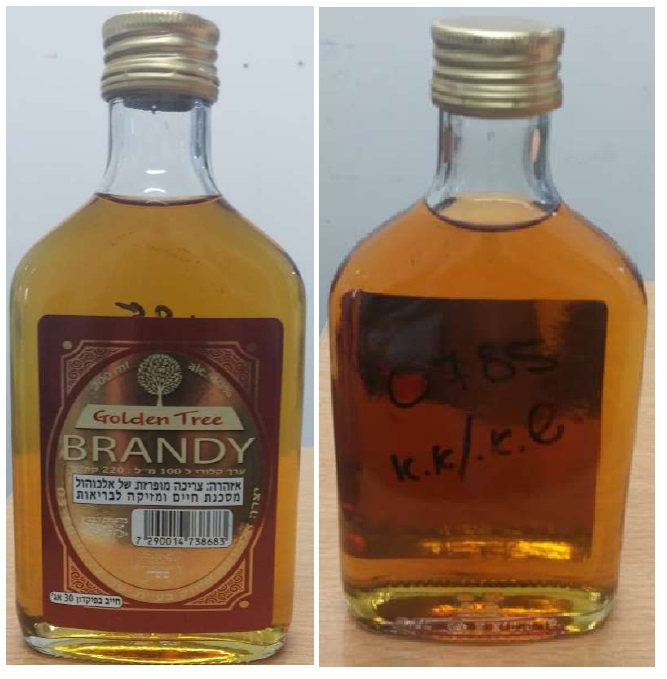
Methanol
History
Hx of taking Methanol (wood alcohol) which is a common ingredient in many solvents. It is found in commercial products such as gasoline, antifreeze, washer fluid, copy machine fluid, paint, shellac, and solvents for removing wood finishes. There also is a continuous discussion on the possible use of methanol as an alternative energy source in combustion engines. It sometimes is used as an ethanol substitute by alcoholics. المشهور ان العيان بيكون بيشرب كحوليات وبيكون جرب صنف جديد او غير التاجر اللي بيشتري منه
Clinical manifestations
Acute ingestion. The fatal oral dose of methanol is estimated to be
30–240 mL (1g/kg)
الجرعة القاتلة ٣٠–٢٤٠ مل (١ جم/كجم)
The minimum toxic dose is approximately 100 mg/kg.
In the first few hours after acute ingestion, methanol-intoxicated patients present with weakness, anorexia, headache, nausea, and vomiting, accompanied or followed by increasing hyperventilation as metabolic acidosis progresses.
After a latent period of up to 30 hours, severe anion gap metabolic acidosis, visual disturbances, blindness, seizures, coma, acute renal failure with myoglobinuria, and death may occur.
Investigations
General lab
- ABG and lactate level
- RBS
- BUN, creatinine
- Electrolytes and anion gap
Toxin specific
Serum methanol levels higher than
20 mg/dL
مستوى الميثانول >٢٠ مجم/ديسيلتر يُعتبر سام
should be considered toxic, and levels higher than
40 mg/dL
>٤٠ مجم/ديسيلتر خطير جدًا
should be considered very serious.
After the latent period, a low or nondetectable methanol level does not rule out serious intoxication in a symptomatic patient because all of the methanol may already have been metabolized to formate.
Stabilization & Treatment of complications
- Protect the airway to prevent aspiration and intubate and assist ventilation if needed.
- Treat coma and seizures if they occur.
- Correction of acidosis should be guided by arterial blood gases by IV sodium bicarbonate.
Antidote
Indications
- a. A history of significant methanol ingestion when methanol serum levels are not immediately available and the osmol gap is greater than 10 mOsm/L.
- b. Metabolic acidosis (arterial pH <7.3, serum bicarbonate <20 mEq/L) and an osmol gap greater than 10 mOsm/L not accounted for by ethanol or isopropanol.
- c. A methanol blood concentration greater than 20 mg/dL.
Doses
- Ethanol
إيثانول
LD: (0.8 g/kg) of 20% ethanol diluted in juice. May be administered orally or via nasogastric tube.
MD: chronic alcoholic (150 mg/kg/h). During hemodialysis (300 mg/kg/h). - Folic acid (Leucovorin)
حمض الفوليك (ليوكوفورين)
1 mg/kg (up to 50 mg) IV every 4 hours.
Decontamination
- GL: Aspirate gastric contents if this can be performed within 30–60 minutes of ingestion.
- AC: Activated charcoal is not likely to be useful because methanol is absorbed rapidly from the GI tract.
Elimination
Hemodialysis rapidly removes both methanol (halflife reduced to 3–6 hours) and formate.
Indications for dialysis:
- Elevated serum methanol level
- Elevated osmol gap >10 mOsm/L
- Severe acidosis pH ≤7.15
- Persistent metabolic acidosis despite adequate supportive measures and antidotes
- Coma or seizures
- New vision deficits
Discharge criteria
For 24 hours the patient has:
1- Stable hemodynamics.
2- Normal ABG.
3- Total alcohol level = zero.