Ethanol Toxicity Protocol
Alcohol poisoning from beverages, perfumes, mouthwashes, flavorings & sanitizers
History
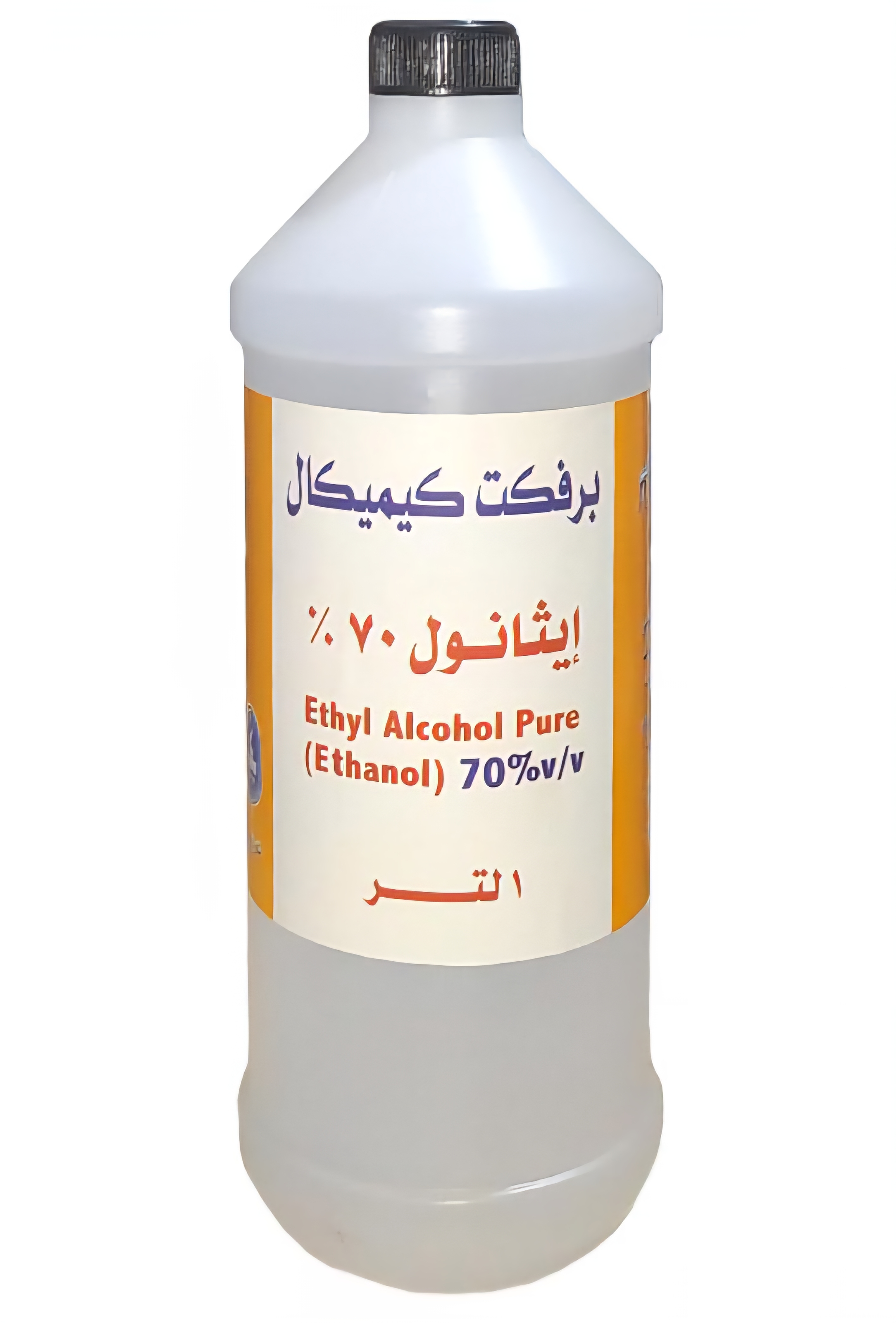
Exposure from beer, wine, liquors, perfumes, aftershaves, mouthwashes, rubbing alcohols, flavorings (vanilla, almond, lemon) and hand sanitizers.
Clinical Manifestations
- Mild: flushed facies, diaphoresis, tachycardia, hypotension, hypothermia, mydriasis, nystagmus, vomiting, euphoria, ataxia, impaired judgment/reflexes.
- Moderate: irritability, aggression, violence, dysarthria, confusion, disorientation, lethargy.
- Severe: loss of airway reflexes, coma, ↑ risk of respiratory depression & aspiration, ↓ vitals, rhabdomyolysis from immobility.
Investigations
- ABG غازات الدم
- RBS سكر الدم العشوائي
- BUN, Creatinine يوريا وكرياتينين
- Liver function: AST, ALT
- PT, PTT, INR تجلط الدم
- Electrolytes
- Chest X-ray if aspiration suspected
- CT brain if neuro deficit or mismatch with ethanol level
Toxin-specific: Serum ethanol level (≈12–18% higher than whole blood)
Stabilization & Complications
Protect airway
⬇
Glucose + Thiamine
⬇
Treat coma & seizures
⬇
Correct hypothermia (gradual rewarming)
⬇
Observe children until BAL < 50 mg/dL & no hypoglycemia
⬇
Alcoholic ketoacidosis: fluids + thiamine + glucose
Decontamination & Elimination
GL: Not indicated (rapid absorption)
⬇
AC: ineffective for ethanol (only if co-ingestion)
⬇
Metabolism 12–25 mg/dL/h (faster in chronic use or BAL > 300)
⬇
Hemodialysis: effective
⬇
Hemoperfusion & forced diuresis: not effective
Antidote
No specific antidote. No drug reverses ethanol intoxication.
Discharge Criteria
- Patient clinically sober and able to ambulate safely.
- No hypoglycemia, no airway compromise.
- Average observation ≈ 6 hours.
- Careful re-evaluation to avoid missed injuries masked by intoxication.