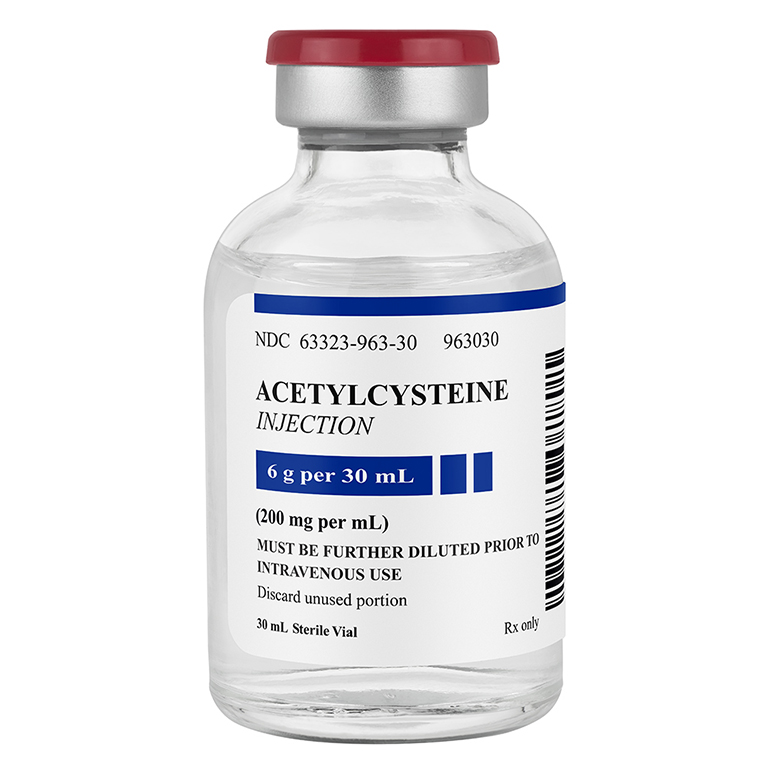
N-ACETYLCYSTEINE (NAC)
1. Introduction
N-acetylcysteine (NAC) is a supplement and medication known for its antioxidant and mucolytic properties. It replenishes glutathione, a critical antioxidant that neutralizes harmful free radicals, reducing oxidative stress and inflammation. As a mucolytic, NAC breaks disulfide bonds in mucus, thinning it to ease respiratory conditions like chronic bronchitis. It also supports liver detoxification, especially in acetaminophen (paracetamol) overdose, and may have therapeutic potential in mental health disorders and addiction treatment.
2. Indications
- Treating potentially hepatotoxic doses of acetaminophen (paracetamol), almost 100% effective if given within 8 hours post-ingestion.
- Supportive management in:
- Acrylonitrile toxicity
- Methacrylonitrile poisoning
- Methyl bromide exposure
3. Contraindications & Safety
Note: NAC may cause severe allergic reactions, especially with IV infusion. Therefore, it is administered in ICU settings under strict observation.
4. Available Preparations (Egypt)
Fluimucil 300 mg / 3 mL ampoule
Sunnycysteine 2 g / 10 mL ampoule
Rotacysteine 200 mg / mL vial
5. Dosage & Administration
IV Infusion (2-Stage Protocol - 2020 Update)
The same dose is used for adults and pediatrics; volume is adjusted in children to prevent fluid overload.
- Bag 1: 200 mg/kg (max 22 g) in 500 mL 5% glucose or 0.9% saline over 4 hours (Pediatric: 7 mL/kg, max 500 mL)
- Bag 2: 100 mg/kg (max 11 g) in 1000 mL over 16 hours (Pediatric: 14 mL/kg, max 1000 mL)
- Ongoing infusion: repeat Bag 2 as needed.
Traditional 3-Bag Protocol (FDA Approved)
- Loading dose: 150 mg/kg in 200 mL over 1 hour
- Second infusion: 50 mg/kg in 500 mL over 4 hours
- Third infusion: 100 mg/kg in 1000 mL over 16 hours
Oral Administration
Loading dose: 140 mg/kg
Maintenance dose: 70 mg/kg every 4 hours for 72 hours (total 17 doses)
Maintenance dose: 70 mg/kg every 4 hours for 72 hours (total 17 doses)
6. Cessation Criteria
- Paracetamol level is undetectable (< 10 µg/mL or below assay detection)
- ALT/AST are normal or clearly improving
- No ongoing hepatocellular injury (if elevated, must be declining)
- INR < 2.0 or returning to baseline in preexisting liver disease
- Patient is asymptomatic and clinically stable (No encephalopathy, no metabolic acidosis, no active organ failure)
7. Side Effects
| Route | Common Side Effects | Serious (Rare) Effects |
|---|---|---|
| IV | Flushing, rash, vomiting, bronchospasm | Anaphylactoid reaction, hypotension |
| Oral | Nausea, vomiting, foul odor | Rare GI bleeding |