PPD toxicity (Paraphenylene Diamine)
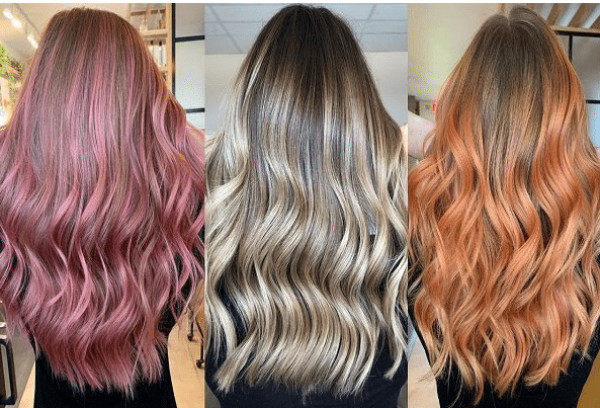
The commonest constituent of all hair dyes
Typical Clinical picture:
(toxicity can occurs through local contact or ingestion)
- First: upper airway edema and obstruction (the main cause of death).
*Patient presents with angio-edema (rapid progressive edema of face, tongue, neck and larynx with respiratory distress, resistant to adrenaline. - Later phase: renal manifestations: ranges from mild proteinuria up to acute kidney injury due to direct nephrotoxic effect or rhabdomyolysis.
*patient presents with cola-colored urine, oliguria, hyperkalemia, hyperphosphatemia or hypocalcaemia. - Other rare complications which may occur: Acute hepatitis/cardiac toxicity (arrhythmia or heart block) /hemolytic anemia.
ER pathway
Symptomatic
⬇
*ABCD (ETT or Tracheostomy) +
- IM adrenaline (0.3-0.5 ml) Table below
- IV hydrocortisone: Adult: 100 to 500 mg IV / Children: 0.5 mg/kg IV up to MAX 8 mg/dose
- IV Avil (45.5mg/2ml): Adult: 1ampule/children: ½ ampule
Observation pathway
Asymptomatic
⬇
Inpatient admission for 24 hrs. (for close observation and labs follow up)
⬇
If patient becomes symptomatic
⬅ Return to ER box
ICU
- Follow up (ABG, electrolytes, KFT, LFT, CBC, CPK, cardiac enzymes and ECG)
- No specific antidote
- Supportive symptomatic treatment to maintain hydration, oxygenation and good urine output for the patient:
- IV Hydrocortisone: Adult: 100 to 500 mg IV; may repeat at intervals of 2, 4, or 6 hours as indicated by response and clinical condition / Children: 0.56 to 8 mg/kg/day (20 to 240 mg/m (2)/day) IM/IV in 3 or 4 divided doses.
- Antihistamines: Adult: 1ampule Avil/12hrs--Children: 12amp/12h.
- Fluids for good hydration/ TPN if >3 days with no oral feeding.
- Alkalinization of urine: in non oliguric patients.
- Hemodialysis is required in AKI (Noting that toxin is not removed by dialysis).
- Correction of hypocalcaemia: Correct the cause + IV calcium correction: Bolus 2g calcium gluconate (20 mL or 2 ampules of 10% calcium gluconate; in 50–100 mL of 5% dextrose or saline IV over 10–15 min then begin continuous Ca2+ infusion: dilute 6 g of calcium gluconate in 500 mL of 5% dextrose or saline and infuse at 0.5–1.5 mg elemental Ca2+/kg/hr .
Adrenaline volume 1:1000 (by age/weight)
| Age (years) | Weight (kg) | Adrenaline volume 1:1000 |
|---|---|---|
| <1 | 5–10 | 0.05–0.1 mL |
| 1–2 | 10 | 0.1 mL |
| 2–3 | 15 | 0.15 mL |
| 4–6 | 20 | 0.2 mL |
| 7–10 | 30 | 0.3 mL |
| 10–12 | 40 | 0.4 mL |
| >12 and adult | >50 | 0.5 mL |
Alkalinization of urine:
Initial IV bolus of NAHCO3:
1-2 mEq/kg over 1-2 minutes.
Then
NaHCO3 infusions: 100-150 mEq in 1 liter of D5% at 150- 200 ml/h (or about twice the maintenance requirements in a child).
Goals of Urinary alkalization is to keep the urinary pH 7.5-8, and blood PH not > 7.55
Monitoring during alkalinization
-ABG / 4 h
-Electrolyte/ 4 h,
-Urinary PH/ 4 hrs
-UOP: 3-5 ml/Kg/hr