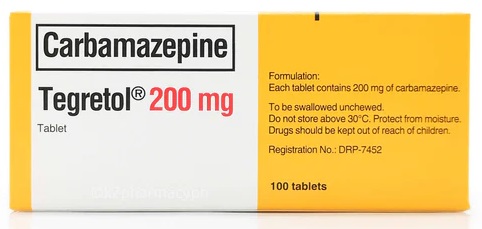
Carbamazepine (CBZ) Toxicity Protocol
Antiepileptic drug with sodium channel blocking effect
Mechanism
Carbamazepine inhibits sodium channels, interferes with glutamate release, and inhibits muscarinic and nicotinic acetylcholine receptors.
Clinical Presentation (C/P)
- Coma, ataxia, nystagmus, ↓ deep tendon reflexes.
- Movement disorders, anticholinergic symptoms (mydriasis, ileus, urinary retention).
- Seizures and respiratory failure.
- Left ventricular dysfunction with heart failure, complete heart block (CHB) in children.
- Hyponatremia, hyperglycemia, and elevated liver enzymes.
Notes
- Severity is judged clinically, not by serum concentration.
- Serum level > 40 mg/L → associated with coma, seizures, respiratory failure, and cardiac conduction defects.
- Serum level > 60–80 mg/L → usually fatal.
Unstable Patient Pathway (ER)
Follow ABCD approach
⬇
Secure airway and breathing
⬇
Hemodynamic stabilization
⬇
IV access + monitoring
⬇
Transfer to ICU if needed
Stable Patient Pathway (Observation)
Gastric lavage (< 6h, with airway protection)
⬇
Multiple-dose activated charcoal (MDAC)
⬇
Lab tests: CBZ level, renal, LFTs, RBS, ECG
⬇
CT brain if trauma or unconscious
⬇
Observe in ward ≥ 12h
ICU Admission Criteria
- ECG & cardiac monitoring for QRS or QT abnormalities.
- Management of coma, seizures, respiratory depression, and shock (follow standard protocols).
- Sodium bicarbonate if QRS > 100 msec (1–2 mEq/kg).
- Hemodialysis may be effective for very severe cases.
- Repeat drug levels every 4–6 hours until consistent downward trend.
- Continue close monitoring until stable.
Discharge Criteria
- Patient is clinically stable and free from ECG abnormalities.
- Carbamazepine serum level shows a downward trend within therapeutic range.