ACTIVATED CHARCOAL (AC)
1. Introduction
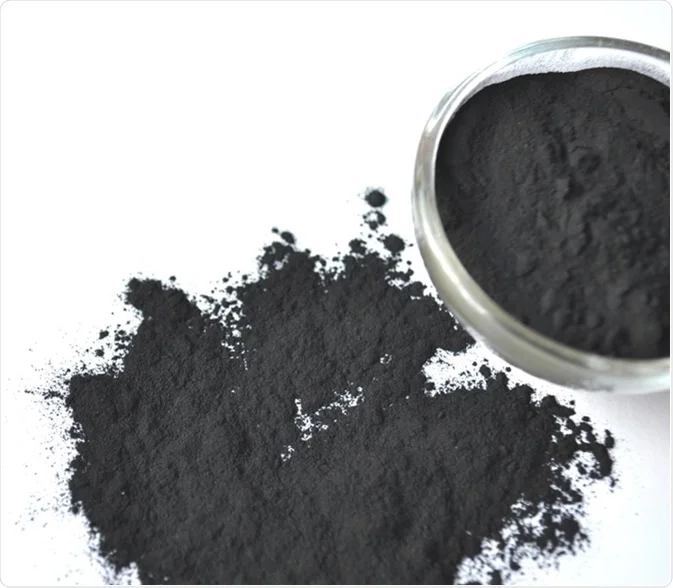
Activated charcoal (AC) is a highly absorbent powder made from superheated, high surface area, porous particles produced by pyrolysis of organic material. Its extensive surface area is covered with a carbon-based network that includes functional groups (e.g., carbonyl, hydroxyl) that adsorb chemicals within minutes of contact, preventing gastrointestinal absorption and subsequent toxicity. Activated charcoal is a supportive measure for reducing absorption of ingested toxins but is not a stand-alone treatment or antidote.
2. Indications
Activated charcoal is indicated within 2 to 4 hours of poison ingestion. It is very useful for anticholinergic drugs, which cause decreased motility and absorption.
3. Substances Adsorbed by Activated Charcoal
* Includes many others: Aconitine, Amatoxin, Chloroquine, Colchicine, Dapsone, Nicotine, etc.
4. Contraindications
- Nontoxic ingestions
- Unprotected airway (decreased GCS, uncooperative)
- Late presentation (> 4 hours)
- Active vomiting or Bowel obstruction (ileus)
- Poisons not bound by AC (see table below)
5. Poisons NOT Bound by Activated Charcoal
| Category | Substances |
|---|---|
| Heavy Metals | Arsenic, Lead, Mercury, Iron, Zinc |
| Inorganic Ions | Lithium, Potassium, Sodium, Fluoride |
| Alcohols | Ethanol, Methanol, Isopropanol, Ethylene Glycol |
| Corrosives | Acids, Alkalis |
| Others | Hydrocarbons, Boric Acid, Essential Oils |
6. Dosage & Administration
- Adults & Adolescents: 25 to 100 g (Usual: 50 g)
- Children (1–12 yrs): 25 to 50 g or 0.5–1.0 g/kg (Max: 50 g)
- Infants (< 1 yr): 10 to 25 g or 0.5–1.0 g/kg
Conversion: Teaspoon ≈ 5 g | Tablespoon ≈ 15 g
Mixing Protocol:
- Adults: 50 g AC + 400 mL water.
- Children: 1:8 ratio (AC to liquid).
7. Multiple-Dose Activated Charcoal (MDAC)
Indicated to enhance elimination of specific drugs:
8. Side Effects
- Nausea & Vomiting
- Black stools (Normal finding)
- Constipation or Diarrhea
- Aspiration Pneumonitis (Most serious risk)
References:
- Austin Clinical Toxicology Guideline (v3, 2024).
- Medical Toxicology Guide, Saudi MOH (2016).
- DrugBank Online - AC